Accrua's story: technology to keep hospital doors open
Every episode of care leaves a record. A bill, a medical record, a contract. Even so, part of what the hospital does never becomes revenue.
Between the bedside and the cash register, there is a maze.
Not because care didn't happen. Payer rules that change, items that don't match the contract, audits that arrive late, disputes that drag on for months. At every turn of the maze, a little money is lost.
It is in this gap that beds close. That teams are cut. That the charity hospital in a small town stops treating patients. That managers choose between paying salaries and restocking supplies.
Accrua was born to close that gap.
Felipe and Rodrigo Dellacqua didn't need to start over.
The brothers were partners and co-founders of VTEX, where they went through the entire cycle most entrepreneurs only know in part, up to the debut on the New York Stock Exchange at a valuation of US$ 3.75 billion.
After the IPO, they were where few people get. Professionally comfortable. Financially settled. With every reason to stop.
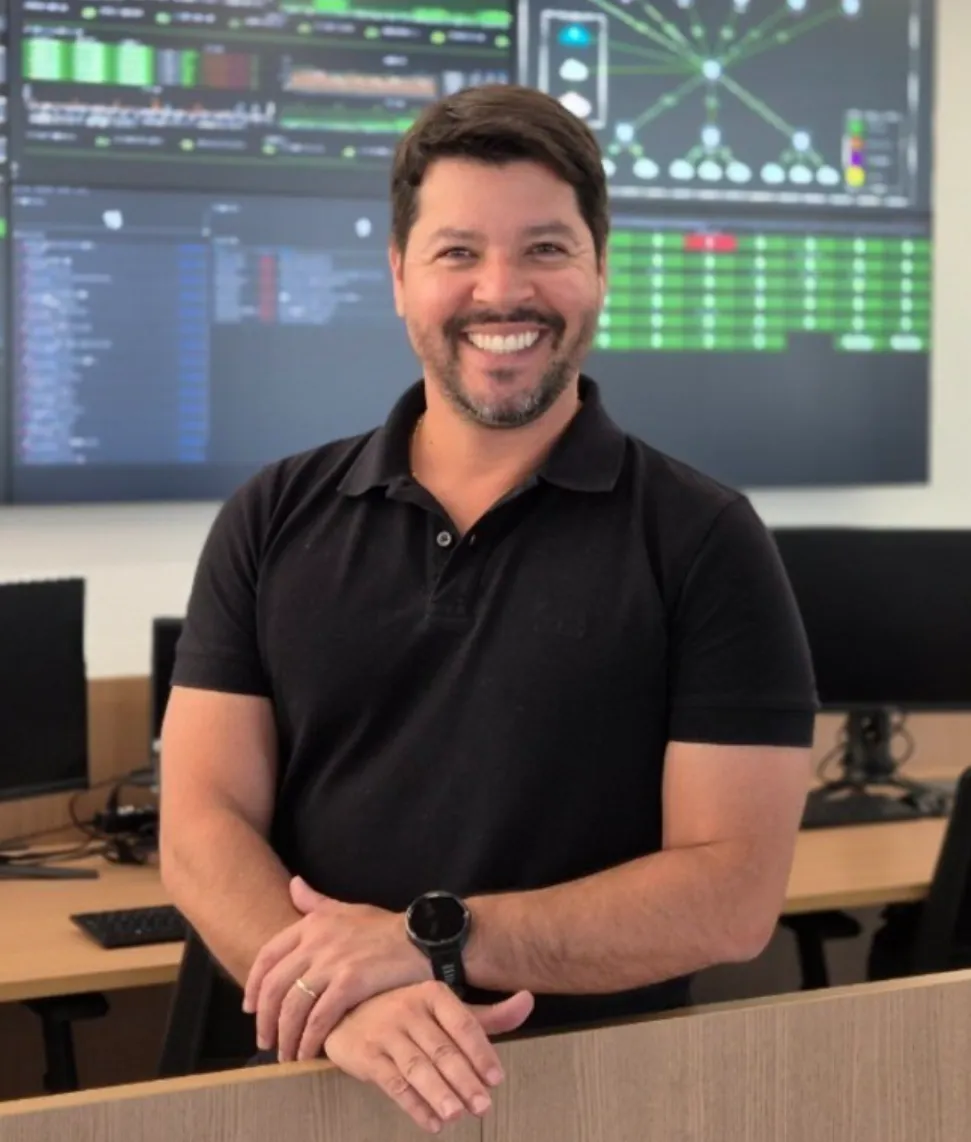 Felipe Dellacqua
 Rodrigo Dellacqua
- 01Founded the startup in 2011
- 02Sold the startup in 2014
- 03Raised US$ 365M from VCs
- 04Expanded to 30+ countries
- 05Category leader across LATAM
- 06US$ 3.75B IPO on the New York Stock Exchange
They chose to leave it all and go back to zero.
Not out of boredom, nor because of a market opportunity sketched on a spreadsheet. Because of an experience neither of them asked for.
The day healthcare stopped being an industry
The brothers' father was diagnosed with a serious, rare disease. Twelve cases per million people. Without treatment, life expectancy for this diagnosis is six months. With treatment, between two and three and a half years.
Do the math. Every week waiting for a test, every day until an accurate diagnosis, every medication authorization that doesn't arrive is not an administrative delay. It is time taken from the only thing still possible: days with their father.
He had health insurance. He had access to the best private hospitals in the country. He had children with resources, time and the ability to fight for him. In theory, he was on the protected side of Brazilian healthcare.
In practice, there is no protected side.
The waits for a bed began. The tests the insurer took too long to authorize. The procedures the hospital hesitated to perform without a guarantee of payment. The calls, the denials, the reclassifications. And their father, caught in the crossfire between the payer and the hospital, while the disease waited for no one to decide who would pay the bill.
Felipe and Rodrigo followed every step of this nightmare with a clock running. And they understood something the statistics already said, but that you only learn first-hand: in Brazil, even those who pay for healthcare suffer from it. And when the system stalls, the one who pays the final bill is neither the payer nor the hospital. It is the family.
In the worst possible way, the brothers realized that private healthcare also needed help. And that there was no cutting-edge technology company on the hospitals' side willing to solve it.
There was, however, one thing both knew how to do better than almost anyone: put money to work with data, risk and discipline.
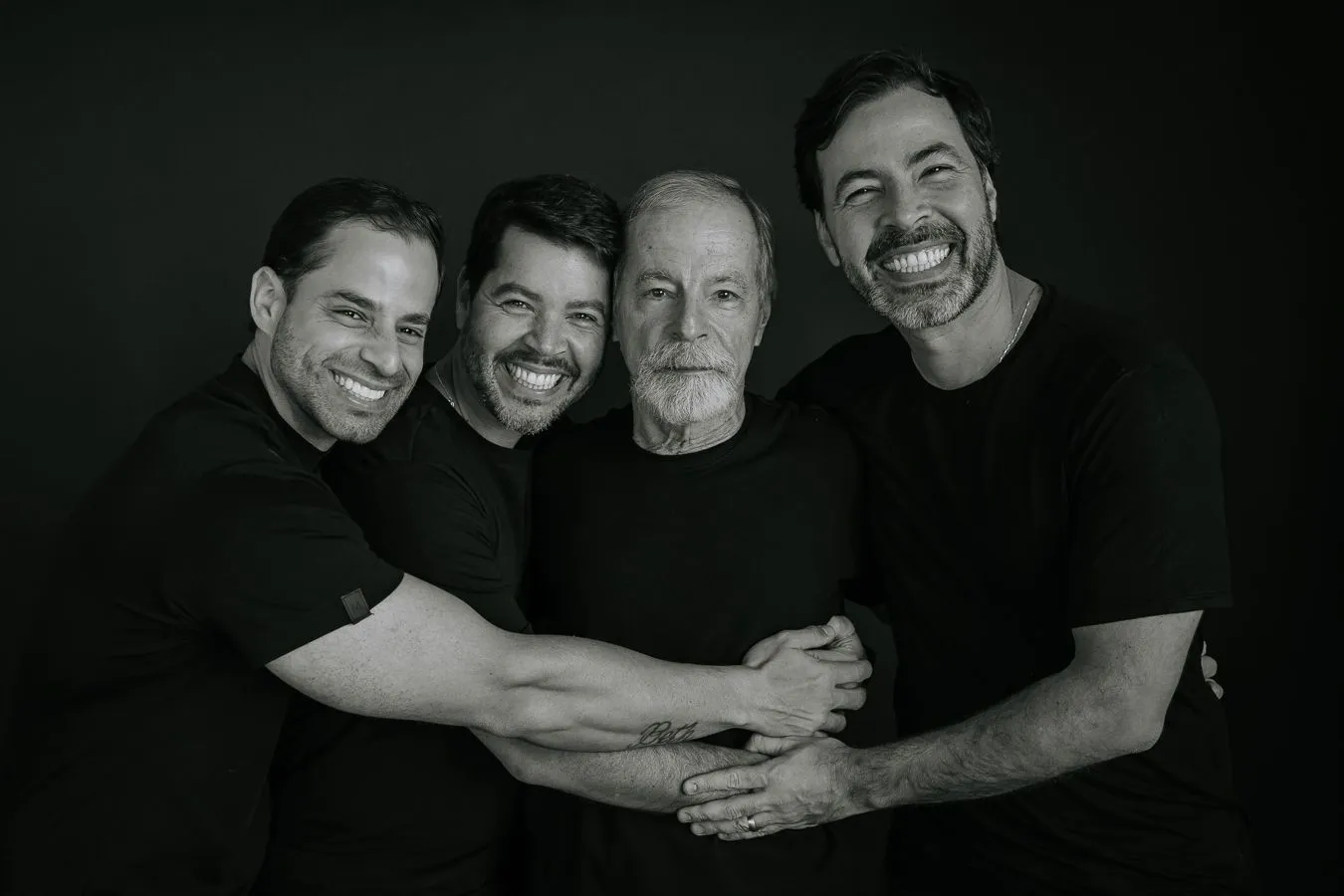
Their father is still alive. Still in treatment. Still fighting, every day, for every test and every medication. That fight is not over. And that is why Accrua exists today, and not tomorrow.
What retail and financial services teach a hospital
The Dellacquas' track record was built in two sectors that, in Brazil, learned the hard way that a business doesn't survive on sales, it survives on cash.
Retail
Thin margins, high leverage and the country's largest employer. Retail survived by going digital before being swallowed, with operational efficiency and data in every detail. Hospitals face the same pressure, without the same tools.
Financial services
Massive transaction volumes, sensitive customer data, real-time decisions and systems that talk to each other. Risk is measured, priced and managed with information. That is the standard the hospital revenue cycle needs.
In practice
The intersection of the two is what healthcare has never had: a real digital transformation. Every cent tracked, every receivable with a known term and risk, every decision made with data, in a sector that has never been disrupted.
And then they looked at the hospital through those eyes.
They saw the business that delivers the most essential service in Brazil running on the country's most outdated technology tools. They saw extraordinary professionals, nurses, doctors, billing staff and auditors, losing hours to spreadsheets, rework and disputes. They saw institutions with more than a hundred years of history threatened not by a lack of patients, but by a lack of cash flow.
Brazilian hospitals don't close for lack of patients. They close for lack of cash.
And cash, they both knew, is a data problem.
The problem first, then the technology
Before writing a single line of code, we went inside the hospital.
- 01We followed the billing routine.
- 02We sat next to the audit team.
- 03We heard the CFO explain why they had to factor receivables at a cost no other industry would accept.
- 04We read payer contracts that not even the payer read.
- 05We understood why an implant (OPME) item gets denied, why a bill gets stuck, why a fair dispute is abandoned for lack of hands.
The diagnosis was the same everywhere. The hospital has the data. What it lacks is an intelligence able to read the medical record, the bill, the contract and the payer rule at the same time, act before the loss happens and record every decision in an auditable way.
The autonomous intelligence that runs the hospital revenue cycle end to end.
Because it knows the cycle from the inside, TIARA knows which payer pays, how fast and with what history. It doesn't replace the specialist, it multiplies their capacity. The pipeline is hers; judgment, negotiation and exceptions stay with people.
When a hospital recovers what is rightfully its own, it isn't buying software.
It keeps a bed open. It hires the nurse it was missing. It replaces the equipment that should have been replaced. It keeps serving the town that has no other option.
And somewhere, a father with a rare disease gets the test, the diagnosis and the medication on time. Not because the family fought. Because the system worked. And every day gained there is one more day with the people we love.
For Brazilian hospitals to be paid on time, and the right amount, for every life they cared for.
We believe that
- 01
No hospital should close its doors over money that was already its own.
- 02
No patient should be caught in the crossfire between those who provide care and those who pay.
- 03
The revenue cycle can be predictable. The hospital's cash can be healthy.
- 04
Those who care for lives deserve the most modern tools in the world to take care of their own business.
- 05
Artificial intelligence in healthcare must be autonomous enough to operate on its own and auditable enough to earn trust.
- 06
The most advanced revenue cycle technology in private healthcare can, and should, be built in Brazil.